On this page I will tell you about foods and drinks that are popular in Russia and that you can get at most Russian stores in the States.
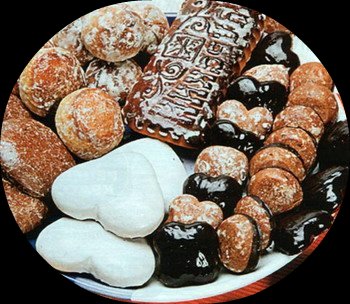
Russian Gingerbread For centuries gingerbread, or Pryaniki (Пряники), has been one of the favorite treats throughout |
 |
**************************************************************************************************************************************
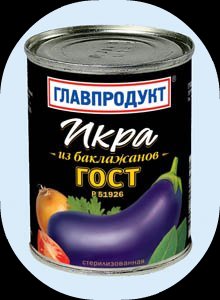
Eggplant spread Eggplant spread (Баклажанная Икра) is made of mashed eggplant mixed with various seasonings. Frequently the eggplant is baked or broiled over an open flame before peeling, so that the pulp is soft and has a smoky taste. Then finely diced onions, tomatoes and other vegetables are blended in. There are many variants of the recipe, especially the seasoning. Possible seasonings include garlic, lemon juice, salt, mint, and parsley. Eggplant spread is similar to Arabic Baba Ghanoush and is usually served with bread or crackers. It is a very low-calorie dish. |
 |
***************************************************************************************************************************************
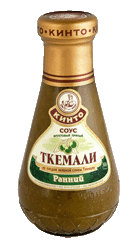
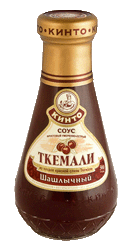
| Tkemali Sauce Tkemali (Ткемали) – a tart and spicy Georgian sauce, is used on most grilled meats and fish and just about everywhere in The plums contain a lot of different minerals and vitamins that regulates the prothrombin level, and pectins that help human body to get rid of toxins. Georgians believe that Tkemali is one of the reasons for their amazing longevity. The plums can be of different color: green, yellow, pink or dark red. Our favorite Tkemali sauce is made of red plums. Tkemali sauce is a traditional accompaniment for grilled pork and lamb but is delicious with fried or broiled chicken, steaks and hamburgers or even broiled salmon. |
**************************************************************************************************************************************
KVAS Kvas is an authentic Russian drink, which origins go back 5,000 years. For centuries it has been the most common non-alcoholic drink in every class of society. In ancient times it was common for Russians to drink kvas rather than water. It is made by the fermenting of rye bread and flavoring with herbs, fruit, berries, raisins or birch sap collected in the early spring. | 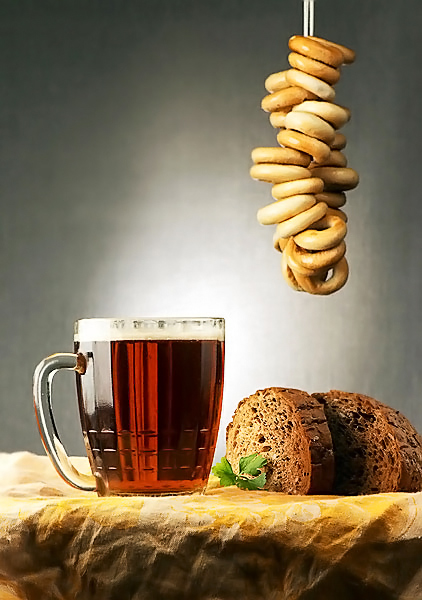 |
***************************************************************************************************************************************
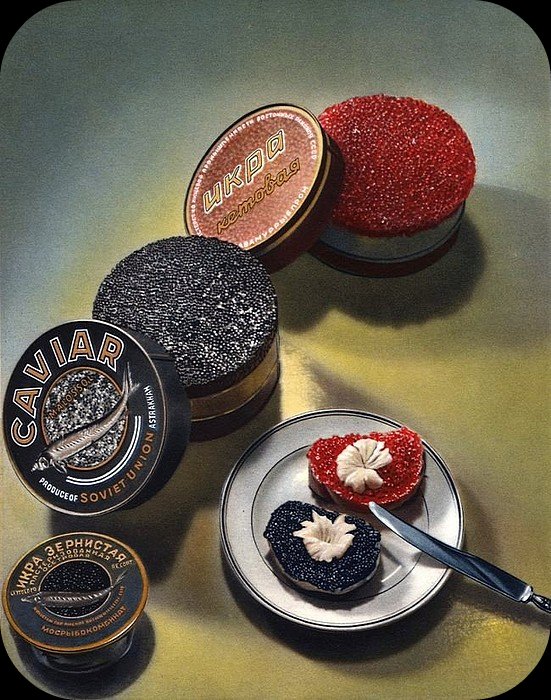 | CAVIAR Given its high price in the West, caviar is synonymous with luxury and wealth. In Russia and other Eastern European countries, though still expensive, caviar is commonly served at holiday feasts, weddings, and other festive occasions. Caviar is processed, salted roe of certain species of fish, most notably the sturgeon (black caviar) and the salmon (red caviar). It is commercially marketed worldwide as a delicacy and is eaten as a garnish or a spread; for example, with hors d'œuvres. Caviar tastes the best when served on white bread with butter, on Russian pancakes and crepes or on halves of hard-boiled eggs. |
***************************************************************************************************************************************
Marinated Grape Leaves Grape Leaves are left to mature on the vine until the end of the growing season. Once they are picked from the vine they are hand rolled and packed in a salt water brine that allows them to become pliable. Mostly used in traditional Greek & Georgian cooking for Dolmas this item can also be as a unique wrapping for steamed fish. | 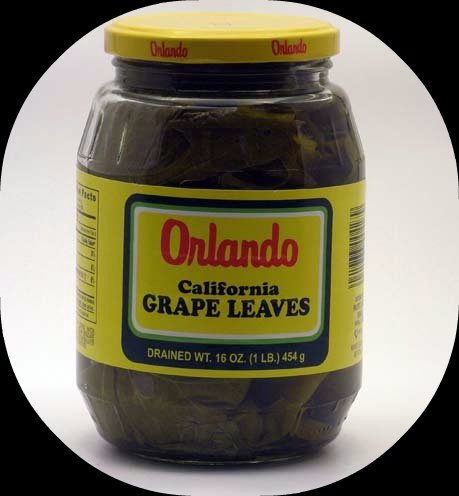 |
-----------------------------------------------------------------------------------------------------------------------------------------------------------------------
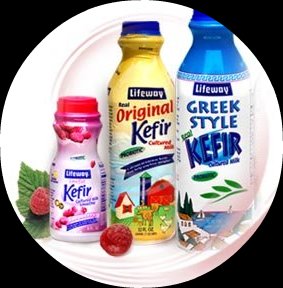
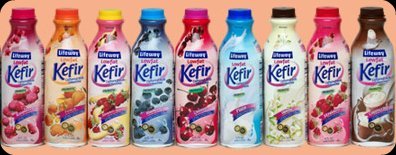 | Kefir is a fermented milk drink filled with friendly micro-organisms that help balance your "inner ecosystem." More nutritious and therapeutic than yogurt, it supplies complete protein, essential minerals, and valuable B vitamins. Kefir originates in the Caucasus region. It is prepared by inoculating cow, goat, or sheep's milk with kefir grains. Traditional kefir was made in skin bags that were hung near a doorway; the bag would be knocked by anyone passing through the doorway to help keep the milk and kefir grains well mixed. |
-----------------------------------------------------------------------------------------------------------------------------------------------------------------------
